Currently Empty: AED 0.00

Fragrance layering, a sophisticated art practiced by fragrance aficionados, allows you to create a signature scent that’s uniquely yours. It’s a method of combining different Fragrances, scented oils, lotions, and body mists to build a multi-dimensional fragrance that evolves throughout the day. While choosing a Fragrance might seem as simple as spritzing one onto your wrist, layering elevates the experience, allowing you to customize your scent and express your personality.
In this guide, we will explore everything you need to know about Fragrance layering — from the basics to expert tips, including how to select fragrances that complement each other, common layering mistakes, and how to make your scent last longer.
- What is Fragrance Layering?
Fragrance layering is the process of applying multiple fragrances or fragranced products to create a more complex and long-lasting scent profile. This technique allows you to build depth in your fragrance and tailor your scent to your mood, the season, or the occasion. Layering is about blending scents to create harmony or contrast between them, resulting in a new, richer aroma.
The essence of Fragrance layering lies in experimentation. With practice, you can discover unique combinations that resonate with your personality and preferences. It’s the perfect way to personalize a fragrance and stand out.
- The Basics of Fragrance Layering: Understanding Scent Families
Before diving into layering techniques, it’s essential to understand the concept of fragrance families and how different types of scents interact. A basic understanding of fragrance notes can help you better pair Fragrances together.
Fragrance Notes
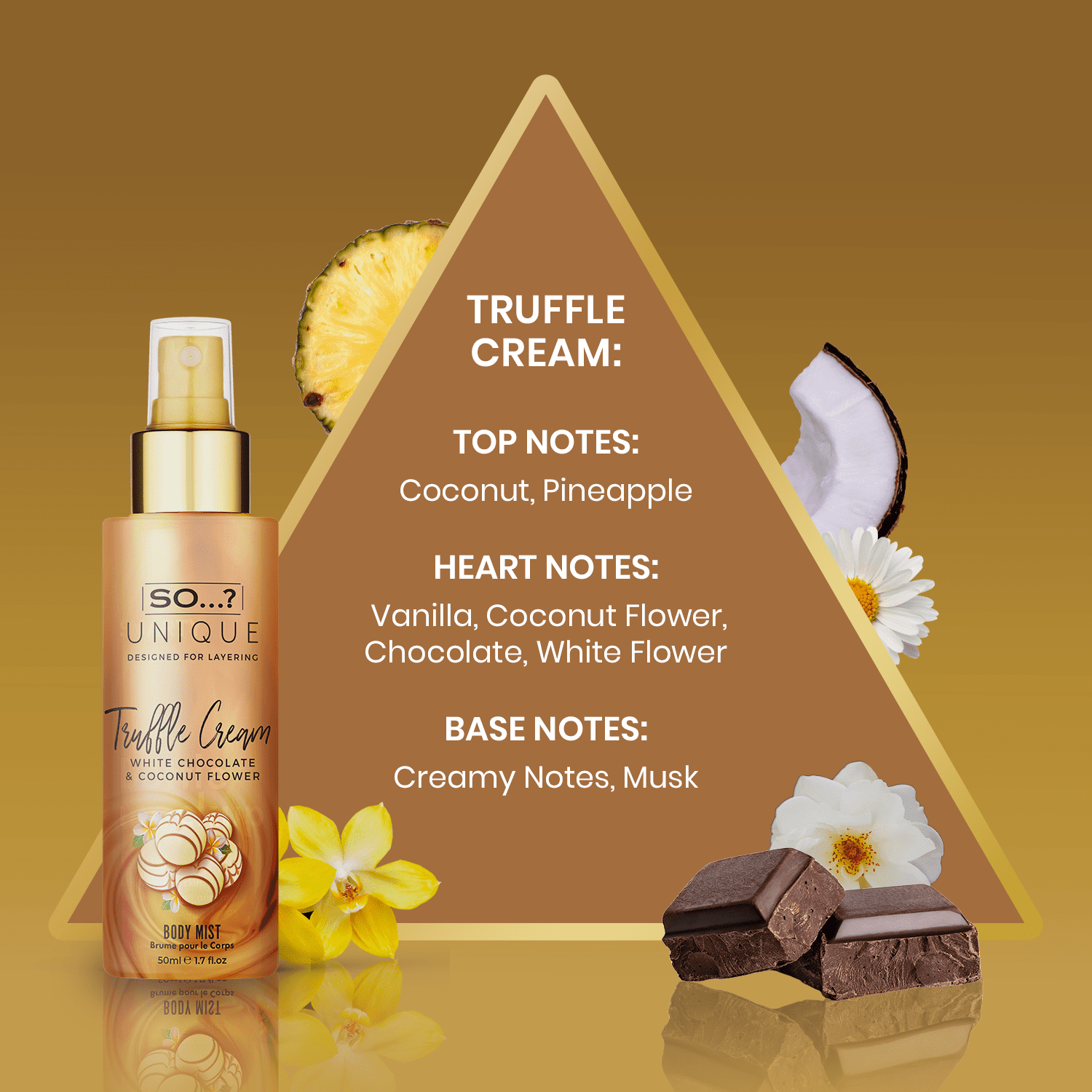
Each Fragrance is composed of three levels of notes:
- Top Notes: These are the initial scents you smell when you first apply Fragrance. They are often light and evaporate quickly. Common top notes include citrus, fruits, and light florals.
- Heart (Middle) Notes: After the top notes fade, the heart notes emerge. These form the core of the fragrance and are typically more complex and longer-lasting. Floral, spicy, or herbal notes are common heart notes.
- Base Notes: The final layer of fragrance, base notes, linger the longest and are usually rich, deep, and earthy. Common base notes include woods, musk, amber, and vanilla.
Fragrance Families
Fragrances are typically grouped into different families based on their dominant notes. Here’s a quick overview of the primary fragrance families:
- Floral: Featuring notes like rose, jasmine, and lily, floral fragrances are typically light, romantic, and feminine.
- Oriental: These are warm, rich, and spicy fragrances with notes like amber, vanilla, and cinnamon.
- Woody: Earthy and grounding, woody fragrances often contain notes of sandalwood, cedar, and patchouli.
- Fresh: Clean and invigorating, fresh fragrances include notes like citrus, green, and aquatic elements.
- Gourmand: These fragrances are sweet and indulgent, with notes like vanilla, chocolate, caramel, and coffee.
Knowing how these fragrance families interact will help you make more informed decisions when layering Fragrances.
- Why Layer Fragrances?
Layering Fragrances isn’t just for those looking to make a bold statement; it’s also a great way to create a more subtle, harmonious fragrance experience. There are several key reasons to consider layering Fragrances:
- Personalization
Layering allows you to create a fragrance that is truly unique to you. You can combine multiple scents to reflect your personality, mood, or even the event you’re attending. Whether you want to smell fresh and citrusy in the morning or rich and spicy in the evening, layering gives you the flexibility to change your fragrance profile throughout the day.
- Longevity
By layering different scents and products, you can extend the life of your fragrance. Heavier base notes will help anchor lighter top notes, ensuring that your fragrance lasts longer on your skin. This is especially helpful for Fragrances that tend to fade quickly.
- Complexity
Layering adds depth and complexity to your fragrance. By combining complementary scents, you create a multi-faceted fragrance experience that evolves over time. Your fragrance will open with one scent, evolve into another, and linger with a different one, keeping it interesting and dynamic.
- How to Layer Fragrances: Step-by-Step Guide
Layering Fragrances is both an art and a science. It requires careful selection of complementary scents, understanding your skin chemistry, and the right application technique. Here’s a step-by-step guide to help you master Fragrance layering:
Step 1: Start with a Neutral Base
The first step in layering Fragrance is to begin with a neutral base. This could be a lightly scented or unscented body lotion or oil. A fragrance-free lotion helps lock in moisture, which can make your Fragrance last longer. If you want to enhance your scent, you can choose a lotion that complements your fragrance. For example, if you’re planning to use a floral Fragrance, consider a lotion with light floral notes.
Step 2: Choose Your Primary Scent
Pick your main fragrance, the one that will serve as the base for your layering. This is typically the fragrance you want to dominate or be the most noticeable. Consider a Fragrance with base notes that you love, as these will linger the longest. Popular choices for base fragrances include woody, musky, or oriental Fragrances.
Step 3: Select a Complementary Scent
Now, choose a secondary Fragrance to layer on top of the first one. This fragrance should enhance or complement the base scent. When selecting complementary scents, consider the fragrance family and notes of both Fragrances. For example:
- A vanilla-based gourmand fragrance can pair beautifully with a spicy or floral scent.
- A fresh citrus fragrance can work well with a light woody or green scent for daytime layering.
Be cautious about choosing scents that are too overpowering or complex on their own. Layering two very strong Fragrances can lead to a clashing and confusing scent.
Step 4: Apply in the Right Order
When applying layered fragrances, order matters. Always apply the heavier, base note-dominant Fragrance first. This creates a solid foundation for the lighter, top-note-focused Fragrance that comes next. The lighter scent will blend into the heavier one, creating a seamless transition as the fragrance develops throughout the day.
To apply:
- Spray or dab the heavier Fragrance on your pulse points (wrists, neck, behind ears).
- Let the scent settle for a minute or two.
- Apply the lighter fragrance over the same areas, allowing the two scents to blend naturally.
Step 5: Experiment with Different Combinations
There’s no “right” way to layer Fragrances, and part of the fun is experimenting with different combinations until you find what works best for you. Start by testing different fragrance families and see how they interact on your skin. Try mixing a citrus with a floral, a woody with an oriental, or a gourmand with a fresh scent. Over time, you’ll learn which combinations suit your personal style and preferences.
- Fragrance Layering with Scented Products
In addition to layering two or more Fragrances, you can also layer other scented products like body lotions, oils, and mists to create a cohesive and long-lasting fragrance experience. Here’s how:
- Body Wash
Starting your fragrance routine in the shower can lay the foundation for your layering process. Using a scented body wash that complements your chosen Fragrances helps build a subtle scent that will last all day. For example, a citrus or floral-scented body wash can enhance a corresponding Fragrance.
- Body Lotion or Oil
After your shower, apply a matching or complementary body lotion or oil. This step helps lock moisture into your skin, which in turn helps your fragrance last longer. For a richer scent, you can use a body oil with a fragrance profile that matches your Fragrance. For example, if you’re wearing a floral scent, try using a lotion with rose or jasmine undertones.
- Fragrance
Now, apply your chosen Fragrances as outlined in the layering guide. Combining the scented body wash, lotion, and Fragrance creates a layered scent profile that evolves throughout the day and enhances the longevity of your fragrance.
- Body Mist
To finish, lightly spritz a body mist over your clothing or hair for a final layer of scent. This step is optional, but it can help amplify your fragrance and add a lighter, more playful top layer to your scent.
- Popular Fragrance Layering Combinations
Here are some tried-and-tested Fragrance combinations that work well for different occasions and preferences. You can experiment with these or use them as inspiration for creating your own scent blends.
- Floral + Woody
A floral scent, such as jasmine or rose, paired with a woody fragrance like sandalwood or cedar, creates a balance of femininity and earthiness. This combination is perfect for both daytime and evening events, as the floral adds freshness, and the woody notes provide depth.
- Citrus + Gourmand
Citrus fragrances are light and refreshing, while gourmand Fragrances are warm and sweet. When combined, they create a playful and vibrant scent. Try layering a lemon or bergamot fragrance with a vanilla or caramel-based Fragrance for a scent that’s fresh yet indulgent.
- Spicy + Oriental
Spicy and oriental fragrances are a bold combination that exudes warmth and sensuality. This pairing works well for evening events or cold weather. Layer a cinnamon or pepper fragrance with an amber or musk-based Fragrance for a powerful, long-lasting scent.
- Fresh + Aquatic
For a light, airy fragrance, try layering fresh and aquatic scents. A green or citrus-based fragrance paired with an aquatic Fragrance creates a crisp, clean scent that’s perfect for daytime wear.
- Fruity + Floral
Fruity and floral scents are a classic combination that works for any occasion. This pairing is ideal for spring and summer, as it evokes feelings of freshness and vitality. Try combining a peach or berry fragrance with a rose or jasmine-based Fragrance.
- Fragrance Layering Mistakes to Avoid
While Fragrance layering offers endless possibilities, there are some common mistakes that can result in overwhelming or clashing scents. Here’s what to avoid:
- Layering Too Many Fragrances
Less is often more when it comes to Fragrance layering. Stick to two or three complementary scents rather than overloading your skin with multiple fragrances. Layering too many Fragrances can result in a confusing scent that’s hard to define.
- Using Overpowering Scents
Strong, overpowering scents can dominate the fragrance profile and make it difficult for the layered Fragrances to blend harmoniously. If one Fragrance is too strong, it may overshadow the other scents, resulting in an unbalanced fragrance.
- Ignoring Skin Chemistry
Your skin chemistry plays a significant role in how Fragrances develop over time. A fragrance that smells great on someone else may not work for you. Always test Fragrances on your skin before layering them to ensure they blend well with your body chemistry.
- Not Letting the Fragrance Settle
When layering Fragrances, it’s essential to let each fragrance settle on your skin for a minute or two before applying the next one. This allows the scents to blend more naturally and prevents them from clashing.
- Making Your Layered Fragrance Last Longer
To ensure your layered fragrance lasts throughout the day, follow these tips:
- Moisturize Your Skin
Fragrances adhere better to moisturized skin, so be sure to apply a hydrating lotion or oil before spritzing your Fragrance. Dry skin tends to absorb fragrance more quickly, causing it to fade faster.
- Apply to Pulse Points
Pulse points are areas where the blood vessels are close to the skin, generating heat and helping to diffuse the fragrance. Apply your Fragrance to your wrists, neck, behind your ears, and the inside of your elbows for maximum impact.
- Don’t Rub Your Wrists Together
Rubbing your wrists together after applying Fragrance can break down the fragrance molecules and alter the scent. Instead, gently dab your wrists together to avoid disturbing the Fragrance’s composition.
- Carry a Travel-Size Fragrance
If you want to refresh your layered fragrance throughout the day, carry a travel-size version of your Fragrances or a rollerball. This allows you to touch up your scent whenever needed.
- Final Thoughts on Fragrance Layering
Fragrance layering is a creative and personal way to make your scent truly unique. By understanding fragrance families, experimenting with different combinations, and following a thoughtful layering process, you can craft a signature scent that’s distinctly yours. Whether you’re going for a subtle daytime fragrance or a bold evening scent, layering allows you to express your individuality and elevate your Fragrance experience.
Ultimately, Fragrance layering is about exploration and enjoyment. Don’t be afraid to experiment with different combinations until you find the one that speaks to you. With time and practice, you’ll become a layering expert, mastering the art of blending scents to create a fragrance that’s as multi-dimensional and dynamic as you are.